Suite 206 4938 Brownsboro Road Louisville, KY 40222


M-F: 8:00am – 4:30pm (502) 339-2922  

How does Kybella work ?

Kybella works by killing fat cells with a synthetic form of an acid found in our gastrointestinal tract. It’s optimal for targeting fat cells in small areas, such as the chin. Keep in mind that most patients need up to six Kybella treatments, six to eight weeks apart. So you may not start seeing the results you want for several months.

The active ingredient in Kybella® is synthetic deoxycholic acid. Deoxycholic acid is a naturally occurring molecule in the body that aids in the breakdown and absorption of dietary fat. When injected into the fat beneath the chin,Kybella®destroys fat cells, resulting in a noticeable reduction in fullness under the chin. Once destroyed, these cells can no longer store or accumulate fat, so further treatment is not expected once you reach your desired aesthetic goal.

Before and After Comparison

Kybella

Age 36, After 3 Treatments

What can Kybella treat ?

Used to treat double chins – when injected into chin fat,Kybella destroys fat cells, resulting in a noticeable reduction in fullness under the chin.

What is a Kybella session like ?

Before starting treatment, your healthcare specialist will examine the area under and around your chin to determine if Kybella® is right for you.

During your appointment, your doctor will draw some lines on the injection site as a guide. Depending on how much chin fullness you have, you may get anywhere from 20–50 small, quick injections in the area.

Most patients report a slight burning sensation after each injection that can last a few minutes. Please consult with your dermatologist, if you have a low pain tolerance or have any concerns.

Right after your appointment, you should be able to drive home or go to work the same day but may want to avoid strenuous activity for a few days until any swelling subsides.

What results can be expected from Kybella ?

Once fat cells are destroyed, they’re gone and won’t be replaced. Should you gain additional weight however, the existing surrounding fat cells will expand and you will require additional treatments.

You should start seeing visible results 5-6 weeks after treatment.
Acne affects over 
50 million 
people in the U.S. annually. 
 
Breakouts peak at 
14-17 years 
of age. 
 
Minor acne affects 
85% of people 
between the ages of 12 and 24. 
 
Acne-prone pores shed 
5 layers 
of skin cells daily. 
 

What Is Acne?

According to the American Academy of Dermatology (AAD), acne is the most common skin disorder, and it affects up to 50 million people in the United States each year. Most people develop acne symptoms as teenagers, but it can also develop in adulthood. The AAD estimates that 85% of people between the ages of 12 and 24 have at least minor acne.

But what exactly is acne? It’s an inflammatory skin condition that affects the skin’s hair follicles and oil glands. The acne symptoms you develop are determined by the type of acne you have, and it can form on many areas of the body, including your face, neck, chest, back, and shoulders. Some people may have only mild whiteheads or blackheads, but others may develop large, painful lumps that form deep under the skin.

An Everyday Guide to Acne

What Are the Types of Acne?

The two types of acne are non-inflammatory and inflammatory. These two categories contain six different subtypes of acne: whiteheads, blackheads, papules, pustules, cysts, and nodules. Whiteheads and blackheads are types of non-inflammatory acne, while papules, pustules, cysts, and nodules are inflammatory types of acne. It’s common for people to have multiple types of acne at the same time. Let’s take a closer look at each subtype of acne and the acne symptoms they cause:


Non-inflammatory Acne


Whiteheads: 
Whiteheads are also called closed comedones, and they form when pores are clogged by dead skin cells and oil. They’re closed at the surface of the skin and appear as a small white bump. Since whiteheads can’t be removed by squeezing them, you shouldn’t try to pop them. Trying to squeeze a whitehead can damage your skin, possibly leading to scarring.

Blackheads: Blackheads are known as open comedones because the top of the pore stays open. Since the rest of the pore is clogged, blackheads appear as small black dots at the surface of the skin. Just like whiteheads, blackheads develop when pores are clogged with oil and dead skin cells. Although you can remove a blackhead by squeezing it, this isn’t recommended by dermatologists because it can cause scarring.

Inflammatory Acne

Papules: Papules appear as small red bumps on the skin that are very tender to the touch. They occur when comedones become inflamed and bacteria, oil, and dead skin cells get trapped under the surface of the skin. It’s common for papules to cluster together, creating an appearance that looks similar to a rash. You should never try to squeeze papules because it can worsen the inflammation and cause scarring.

Pustules: Pustules are very similar in appearance to papules, but the primary difference between the two is that pustules contain pus. This results in a bulging bump at the surface of the skin that is white or yellow in appearance. Only your dermatologist can drain pustules. Attempting to squeeze pustules can lead to dark spots on the skin and cause the bacteria to spread.

Nodules: Nodules develop deep within the skin and are usually quite painful. They appear as large, hard bumps that feel firm when you touch them. Nodules form when bacteria travel deep into the pore and cause an infection.

Cysts: Cysts are considered severe acne, and they appear as large, red lesions that are filled with pus. Cysts are similar in appearance to boils and are often very painful. They develop when there is an infection deep under the skin, and they also have the largest risk of permanent scarring compared with other types of acne.

What Are the Types of Acne?

The two types of acne are non-inflammatory and inflammatory. These two categories contain six different subtypes of acne: whiteheads, blackheads, papules, pustules, cysts, and nodules. Whiteheads and blackheads are types of non-inflammatory acne, while papules, pustules, cysts, and nodules are inflammatory types of acne. It’s common for people to have multiple types of acne at the same time. Let’s take a closer look at each subtype of acne and the acne symptoms they cause:


Non-inflammatory Acne
Whiteheads

Whiteheads are also called closed comedones, and they form when pores are clogged by dead skin cells and oil. They’re closed at the surface of the skin and appear as a small white bump. Since whiteheads can’t be removed by squeezing them, you shouldn’t try to pop them. Trying to squeeze a whitehead can damage your skin, possibly leading to scarring.

Blackheads

Blackheads are known as open comedones because the top of the pore stays open. Since the rest of the pore is clogged, blackheads appear as small black dots at the surface of the skin. Just like whiteheads, blackheads develop when pores are clogged with oil and dead skin cells. Although you can remove a blackhead by squeezing it, this isn’t recommended by dermatologists because it can cause scarring.

Inflammatory Acne
Papules

Papules appear as small red bumps on the skin that are very tender to the touch. They occur when comedones become inflamed and bacteria, oil, and dead skin cells get trapped under the surface of the skin. It’s common for papules to cluster together, creating an appearance that looks similar to a rash. You should never try to squeeze papules because it can worsen the inflammation and cause scarring.

Pustules

Pustules are very similar in appearance to papules, but the primary difference between the two is that pustules contain pus. This results in a bulging bump at the surface of the skin that is white or yellow in appearance. Only your dermatologist can drain pustules. Attempting to squeeze pustules can lead to dark spots on the skin and cause the bacteria to spread.

Nodules

Nodules develop deep within the skin and are usually quite painful. They appear as large, hard bumps that feel firm when you touch them. Nodules form when bacteria travel deep into the pore and cause an infection.

Cysts

Cysts are considered severe acne, and they appear as large, red lesions that are filled with pus. Cysts are similar in appearance to boils and are often very painful. They develop when there is an infection deep under the skin, and they also have the largest risk of permanent scarring compared with other types of acne.

How Is Acne Treated?

Acne treatment varies for each person and depends on the type of acne you have and its severity. If you have whiteheads or blackheads, your dermatologist may recommend products containing salicylic acid or topical retinoids derived from vitamin A, such as tretinoin (Retin-A) or adapalene (Differin). Treatments containing these ingredients work by exfoliating the skin and encouraging cell turnover, removing dead skin cells before they can clog your pores. If you have multiple whiteheads in one spot, you can also use an acne spot treatment containing benzoyl peroxide.

If you have pimples and blemishes, your dermatologist may recommend products containing benzoyl peroxide or salicylic acid for acne treatment. These products are usually applied to your entire face, although some are designed for acne spot treatment. In addition to fighting inflammation and controlling oil production, products with these ingredients can treat existing acne and prevent new blemishes from forming.

For larger pustules and papules, your dermatologist will likely prescribe an acne medication, such as an oral antibiotic, to treat bacteria and soothe inflammation.

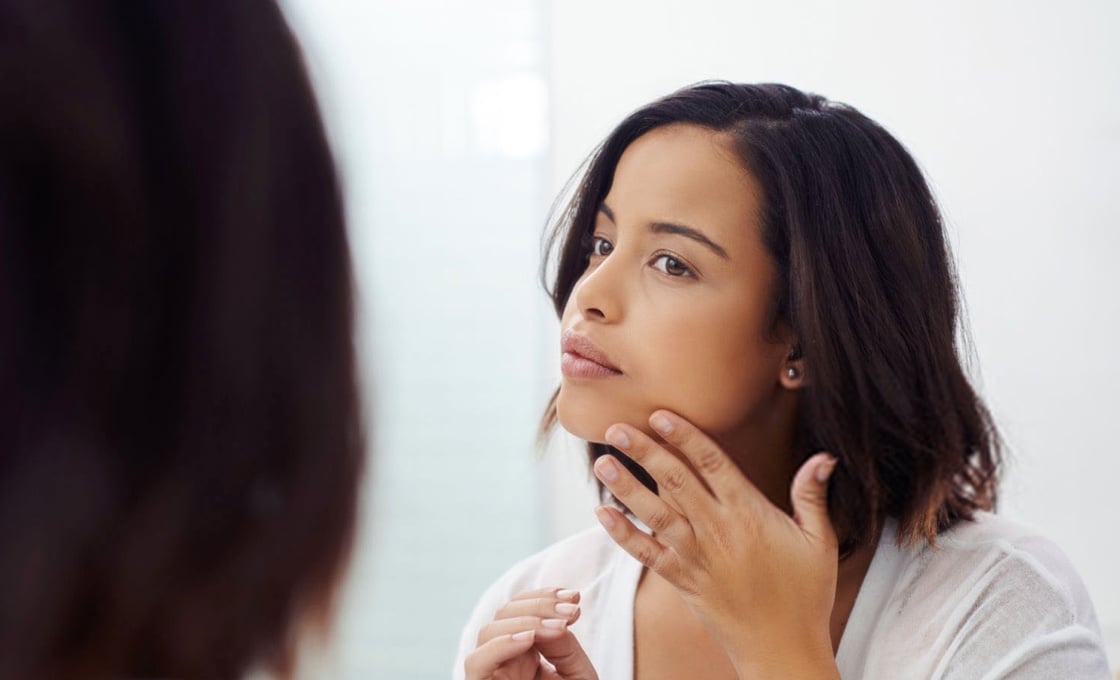
Woman checking her skin condition

This is especially helpful if you have acne on other parts of your body, such as your back, chest, or neck, since widespread acne is easier to treat with prescription medication. Products containing benzoyl peroxide can also be an effective acne treatment for pustules and papules.

Severe acne, such as nodules and cysts, can only be treated by a dermatologist and a prescription acne medication. Many dermatologists prescribe isotretinoin for people who have nodules and cysts. This is an oral retinoid that inhibits the growth of bacteria, reduces oil products, and soothes inflamed skin, helping it heal.

Since hormones also play a role in the development of acne, especially for women, your doctor may prescribe birth control pills to control and treat acne. Research has shown that birth control pills are just as effective as oral antibiotics for treating acne in women.

Skin Care Tips for Managing and Preventing Acne

Make sure to wash your face every morning and night using a mild cleanser recommended by your dermatologist.

Avoid using harsh scrubs or astringents, which can irritate and dry out your skin, causing your acne to worsen.

Washing your face no more than twice each day can help remove oil, sweat, and debris that can clog your pores and promote acne development.

In addition to increasing your risk of skin cancer, the sun also can aggravate acne. Be sure to protect your skin from the sun and apply an oil-free sunscreen every day. This is especially important, since some acne treatments make your skin more susceptible to damage from the sun.

Make sure you’re consistently using your prescription or over-the-counter treatments. According to the AAD, it can take four to six weeks before you start seeing signs of improvement from topical treatments. Applying topical treatments consistently is crucial to treating and preventing acne.

1 in 3
Americans will get shingles
1 million
shingle cases annually
1 in 2
shingle cases in people age 60 and older

What are Shingles?

Shingles, also known as herpes zoster, is a viral infection that can occur anywhere on the body in the form of a line of blisters on the torso. Shingles is usually painful and also contagious. The cause of shingles is believed to be the varicella-zoster virus, which also causes chickenpox. Anyone who has had chickenpox also has the varicella-zoster virus, which remains dormant except for its outbreak as shingles.

Someone who has contracted shingles can transmit the virus to anyone who is not immune to chickenpox; that is, anyone who has not had a vaccination. In those people, the virus is spread through direct contact with the shingles. Interestingly, the direct contact results in chickenpox, but not shingles.

What are the symptoms of Shingles?

Shingles is usually localized around the trunk of the body and presents itself as a very painful red rash accompanied by numbness and/or a tingling sensation.

Other symptoms include:

  • Headaches
  • Fever and/or chills
  • Fatigue
  • Fluid-filled blisters
  • Severe itching
Shingles

Who can get Shingles?

Those who are at greater risk for shingles are:

  • People over age 50
  • People with compromised immune systems (due to life-threatening illnesses such as cancer or leukemia)
  • People who are not immune to chickenpox

Treatment options for Shingles

The best defense against shingles is the chickenpox vaccine. Once shingles has appeared, however, treatment options include:

  • Prescription antiviral drugs such as acyclovir (Zovirax), valacyclovir (Valtrex), and famciclovir (Famvir)
  • Numbing creams or sprays
  • Anticonvulsants
  • Antidepressants
A cyst is a ball of
skin cells trapped
underneath the skin
About
13-21%
of cysts are cancerous
Cysts can
show up
anywhere
Most common
type of cyst
is Sebaceous cyst

What are Cysts?

Cysts are closed, sac-like capsules that can develop anywhere on the body, including the skin or inside the body. Common areas where a cyst might develop include the face, neck, genitals, and internal organs. They’re typically filled with fluid but can also be full of air, tissue, or another type of substance. It is best to think of a cyst as a balloon with the opening at the top on the outside of the skin. Inside of the balloon, the skin is producing skin cells that are trapped inside of the balloon. The balloon grows as it becomes filled with the skin cells and may even rupture, which in turn would cause a painful cyst.

Depending on its type and location, a cyst can cause a range of symptoms. Many people become aware of a cyst when they feel an abnormal lump. This usually occurs when the cyst is right underneath the skin. However, a cyst affecting the internal organs may not cause any noticeable symptoms. It’s common for these cysts to remain unnoticed until they start to interfere with a bodily function or if they’re detected by an imaging scan, such as an ultrasound, MRI, or CT scan.

How Does a Cyst Differ from Other Bumps or Growths?

Unlike a cyst, a tumor is generally a solid mass of tissue that develops as a result of abnormal cell growth. Tumors are usually firm to the touch, but if you have a cyst somewhere on your skin, it’s possible to feel it rolling underneath the skin when you apply pressure. Unlike an abscess, a cyst has a distinct membrane, known as a cyst wall. While an abscess is also typically filled with fluid, it isn’t surrounded by a wall.

Are There Different Types of Cysts?

Doctors have identified numerous types of cysts. Here’s a closer look at some of the most common types:

Epidermoid cyst: This type of cyst is noncancerous and appears as a small lump under the skin. They can be skin-colored, yellow, or white, and they’re commonly found on the neck, face, and back.

Ganglion cyst: A ganglion cyst is a small, benign cyst that’s filled with a thick, jelly-like fluid. It forms on the tissues surrounding joints and commonly develops on the wrist and hand.

Dermoid cyst: This is a slow-growing type of cyst that’s typically composed of hair follicles, sebum, skin, fat, and other body materials. It usually appears on the face, neck, and ovaries.

Pilonidal cyst: A pilonidal cyst is usually filled with skin debris, hair, and oil. They typically grow in clusters and commonly develop on the lower back, near the buttocks.

Common Cyst Causes


A cyst can develop at any age and affects both men and women. There are a number of different types of cyst causes, but here are some of the most common reasons they develop:

  • Infections
  • Damaged hair follicles
  • Blockages in ducts, which results in fluid buildup
  • An injury that causes a popped blood vessel

Treatment Options for Cyst Removal

The method for cyst removal depends on the type of cyst you have, its location, cause, and how much discomfort it’s causing you. The majority of cysts are non-cancerous and usually respond well to treatment.

Most types of cysts can be drained by your doctor. During this procedure, your doctor inserts a needle directly into the cyst, allowing the fluid or other material to drain out, causing it to collapse. For one that’s very large, surgical removal may be required. If a cyst is cancerous, it will be surgically removed, along with any surrounding tissue that’s been affected.

If a cyst has developed on a specific internal organ rather than being visible on the skin, your doctor will schedule routine imaging appointments to monitor its growth. If it’s suspected that a cyst could be cancerous, a biopsy will be performed.

When to Consider Cyst Treatment

Cyst removal isn’t necessary unless it’s cancerous. However, if you suspect that you have a cyst, a dermatologist should evaluate it. Since it’s possible for a cyst to be cancerous, early detection is very important. A cyst can also be removed for aesthetic reasons or if it causes pain. If it’s very large and is causing symptoms, the most effective cyst treatment will likely be surgical removal.

You can depend on our highly skilled dermatologists to provide the best in skin care. Contact us today to schedule an examination.

What are Age Spots?

Age spots, also commonly known as liver spots, range in size and in color from light brown to black and appear on the skin where it is frequently exposed to the sun. Despite their name, age spots are not caused by age or liver dysfunction, except that the longer you live, the more likely they are to occur.

What do Age Spots look like?

Age spots appear most often where the skin is repeatedly exposed to the sun, such as the face, hands, neck, exposed scalp, and arms. Age spots can mimic cancerous growth but in nearly all cases, they are harmless beyond any self-conscious reaction to their appearance.

Who Gets Age Spots?

Age spots are most common in adults over the age of 50. Younger people can also get them, especially if they spend too much time in the sun.

Many age spot risk factors aren’t related to age at all. For instance, you’re more likely to get age spots if you:

• Have a fair or light complexion
• Have a history of severe sunburns
• Use indoor tanning beds

What Causes Age Spots?

When ultraviolet (UV) light hits your skin, it speeds up your body’s production of melanin – the substance that gives your skin its pigment. On skin with years of sun exposure, age spots can appear when melanin is produced in high concentrations or clumped together.

Some people also develop age spots after certain medical treatments, such as radiation therapy.

How Do I Know if I Have Age Spots? Are There Symptoms?

Age spots sometimes look like cancerous growths, but they are not harmful. They are simply the skin’s attempt to protect itself from further sun damage. Most age spots:

• Range from tan to dark brown in color
• Range from the size of a freckle to about ½ inch across
• Can group together, making them more noticeable

When It’s Not an Age Spot

It’s best to have any new skin changes – including age spots – evaluated by a dermatologist. If you have a spot that’s black, growing in size, bleeds, or has an irregular border, visit us immediately. These changes could be signs of melanoma, a serious form of skin cancer.

What Are the Best Treatments for Age Spots?

Most treatments for age spots fall into two categories: creams and lotions or procedures.

Creams and lotions cost less but take longer, sometimes weeks or even months. Procedures tend to work faster, although they cost more and have a higher risk of side effects. Your Forefront dermatologist can help you decide which type of age spot treatment to try.

Creams and Lotions

There’s no shortage of over-the-counter products on the market that claim to fade age spots. If you’d like to use a cream or lotion to treat your age spots, the American Academy of Dermatology recommends seeing a board-certified dermatologist first.

Your Brownsboro dermatologist can examine your skin and confirm that your age spots are actually age spots, not skin cancer or any other condition. Next, we’ll determine which prescription-strength cream or lotion is the best choice for you, such as corticosteroids or retinoids.

Procedures

Your options include:

Cryosurgery – A dermatologist freezes the age spots and your skin develops a more even tone as it heals. After treatment, you may experience temporary pain, blistering, redness, or swelling.

Chemical peel – The top layer of your skin is safely removed by a chemical solution. While cryosurgery has slightly better results, skin tends to heal faster after a chemical peel.

Microdermabrasion – This procedure smooths away age spots and can be quite effective, especially after a chemical peel. Research shows that age spots disappear in about 40% of microdermabrasion patients. You may have mild inflammation for a few hours afterward.

Laser treatment – Lasers can destroy melanin-producing cells or safely remove the top layer of your skin. Many people only need one or two sessions to get rid of age spots. Side effects include crusting or temporary darkening of the age spots, although they should fade quickly.

Do Age Spots Come Back After Treatment?

They can, depending on the treatment. New age spots are more likely to develop if you don’t protect your skin from UV light. Avoid the sun between 10 AM and 2 PM, wear a hat outdoors, and always use 30 SPF sunscreen or higher.

With a strong immune system,
70% of people
get rid of warts
There’s a greater chance
to get warts,
if family member has it
Warts can take about
2-6 months
to develop
Wart’s black dots are
blood vessels
that can lead to bleeding

What Are Warts?

Warts are raised, skin-colored growths that can develop almost anywhere on the body and may resemble a cauliflower or solid blister. Most warts are completely harmless, but people often consider wart removal for a variety of reasons, including embarrassment and wanting to avoid spreading them to others.

What Causes Warts?

A group of viruses called the human papillomavirus (HPV) causes warts. When your skin is infected with one of the viruses in the HPV family, it triggers the excessive growth of skin cells. This makes the outer layer of your skin appear thickened and hard in that specific area.

Who Gets Warts?

Warts are highly contagious and spread easily from person to person. It’s possible to get warts simply by touching a wart on another person’s body. You can even get warts from touching a surface or object that’s been in contact with a wart, including towels.

Anyone at any age can get warts, but children and teens are more likely to develop them. If you have a weakened immune system, you’re at a higher risk of developing warts. If you have any cuts or scrapes on your skin, it’s easy for the HPV virus to enter.  This also explains why people who bite their nails or pick at hangnails are susceptible to warts.


Types of Warts

There are several types of warts, and our Forefront dermatologists determine the type of wart you have based on its appearance and where it appears on your body. Here’s a closer look at some of the different types of warts.

Common wart: This type of wart is usually small and feels like a rough bump. They’re most often found on the fingers, the backs of hands, and the skin around your nails. A common wart is typically flesh-colored, but it can also have black dots that look similar in appearance to seeds. These are actually tiny blood clots, which can lead to bleeding.

Flat wart: Flat warts are typically smoother in appearance and smaller in comparison to other types, although they tend to grow in large numbers. It’s not uncommon to have 20–100 flat warts at a time. These warts are commonly found on women’s legs, children’s faces, and men’s beard areas.

Plantar wart: Plantar warts develop on the soles of your feet. They are flat in appearance and grow into your skin due to the pressure from walking and standing. This inward growth can make it feel like you have pebbles in your shoe. Like common warts, plantar warts can also have black dots, and they usually grow in clusters.

Filiform wart: These warts often grow quickly and typically develop around your mouth, eyes, and nose. Filiform warts have a spiky or thread-like appearance.

Periungual wart: Periungual warts develop under or around the fingernails and toenails. Although they start out small, they can grow to become a rough bump.

Treatment Options for Wart Removal

Most warts will go away without resorting to wart removal methods. This is especially true for children, but it can be more difficult for warts to disappear in adults. Without wart treatment, it can take between one to five years for them to go away.

If you have numerous warts, if a wart hurts, or if you can’t get rid of a wart on your own, you should see your Browsboro dermatologist who will recommend the best wart removal method for you. Treatment depends on the type of wart you have and its location on your body. Our highly skilled Board-Certified dermatologists offer many treatment options for warts.


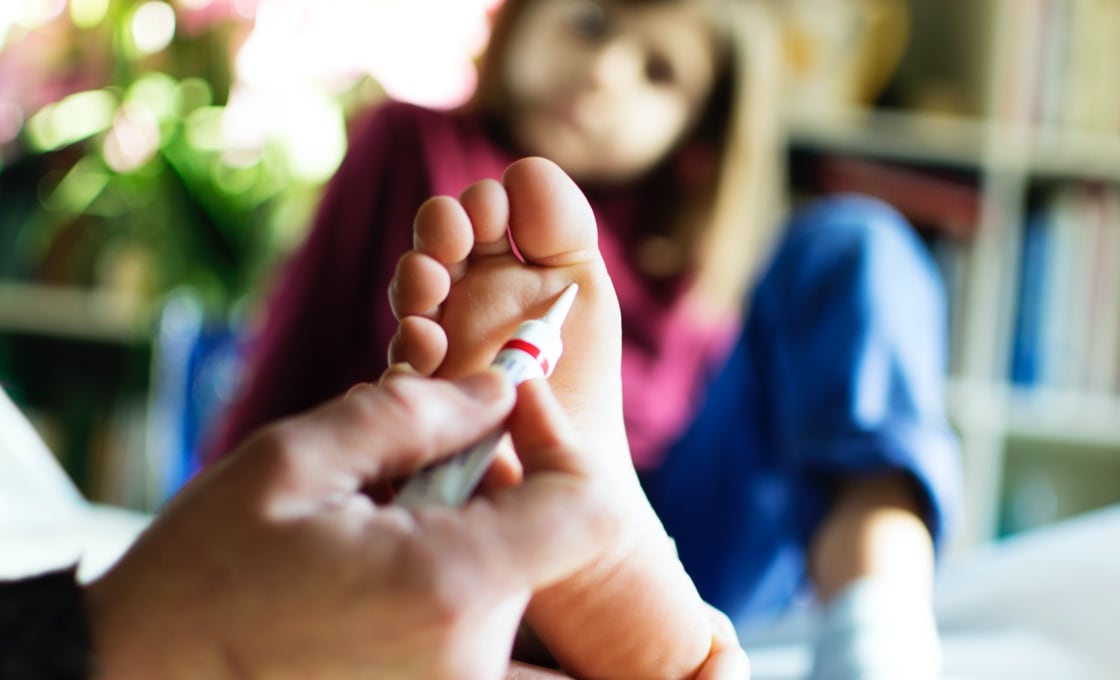
Wart on a child's hand

These are some of the best wart removal options recommended by our dermatologists:

Cryotherapy is one of the most common wart treatment options. This treatment freezes off the wart with liquid nitrogen, but more than one treatment is usually needed.

Excision: Your dermatologist will cut the wart out of your skin.

Electrosurgery: This option involves burning the wart with an electric charge delivered through a laser or the top of a needle.

Curettage: Your dermatologist scrapes off the wart with a small tool shaped like a spoon or a sharp knife.

Cantharidin: This is a liquid treatment that’s applied over a wart, causing a blister to form underneath. After the blister dries, which takes about a week, your dermatologist can clip away the wart.

Laser treatment involves burning off the wart with a laser.

Chemical peels: An effective treatment for flat warts, a chemical peel involves applying a peeling medication to the skin, which gently removes warts from the top layer of skin.

Antigen shots boost your immune system, which helps your body fight the virus that causes warts.

Photodynamic therapy uses wavelengths of blue light and medications called photosensitizing agents to destroy warts.

Liquids, gels, and pads containing salicylic acid work by gently exfoliating skin cells until the wart gradually disappears.

Duct tape: This home remedy for warts involves covering the wart in duct tape. By changing the tape every few days, it’s possible to remove some of the wart’s layers.

What is Contact Dermatitis?

Contact dermatitis is a red, itchy rash caused by direct contact with a substance or an allergic reaction to it. The rash isn’t contagious or life-threatening, but it can be very uncomfortable.

Many substances can cause such reactions, including soaps, cosmetics, fragrances, jewelry and plants.

To treat contact dermatitis successfully, you need to identify and avoid the cause of your reaction. If you can avoid the offending substance, the rash usually clears up in two to four weeks. You can try soothing your skin with cool, wet compresses, anti-itch creams and other self-care steps.

What are the symptoms of Contact Dermatitis?

Contact dermatitis usually occurs on areas of your body that have been directly exposed to the reaction-causing substance — for example, along a calf that brushed against poison ivy or under a watchband. The rash usually develops within minutes to hours of exposure and can last two to four weeks.

Signs and symptoms of contact dermatitis include:

  • A red rash
  • Itching, which may be severe
  • Dry, cracked, scaly skin
  • Bumps and blisters, sometimes with oozing and crusting
  • Swelling, burning or tenderness

What are the treatment options for Contact Dermatitis?

When to see a doctor

See your doctor if:

  • The rash is so uncomfortable that you are losing sleep or are distracted from your daily activities
  • The rash is sudden, painful, severe or widespread
  • You’re embarrassed by the way your skin looks
  • The rash doesn’t get better within three weeks
  • The rash affects your face or genitals

Seek immediate medical care in the following situations:

  • You think your skin is infected. Clues include fever and pus oozing from blisters.
  • Your lungs, eyes or nasal passages are painful and inflamed, perhaps from inhaling an allergen.
  • You think the rash has damaged the mucous lining of your mouth and digestive tract.

What Is Seborrheic Keratosis?

Seborrheic keratosis is a non-cancerous (benign) skin growth. Due to their wart-like appearance – and the fact that most people get them when they’re middle-aged or older – seborrheic keratosis growths are often called the “barnacles of aging.”

But because seborrheic keratosis often looks like a pre-cancerous skin growth (actinic keratosis) or even skin cancer, finding one on your body can cause a lot of concern. Thankfully, seborrheic keratosis growths are harmless.

What Are the Symptoms of Seborrheic Keratosis?

It’s possible to have just one seborrheic keratosis growth, but most people develop several. Some growths have a wart-like surface, while others look like dabs of candle wax or beeswax on the skin. They tend to start off light tan, then darken to brown or black.

Seborrheic keratosis grows gradually over time and can vary in size (from very small to more than an inch in diameter). Your growth(s) may look like:

• A round or oval-shaped waxy or rough bump
• A flat or slightly-raised bump with a scaly surface

Most seborrheic keratosis growths appear on your face, neck, shoulder, chest, or back, but they can pop up almost anywhere (except your lips, palms, or soles). You may experience itchiness but should have no pain.

What Causes Seborrheic Keratosis?

Despite its appearance, seborrheic keratosis has no relationship to skin cancer and poses no risk to your health. In fact, the condition is mostly hereditary – you inherit the pattern as well as the location(s) where it grows.

Seborrheic keratosis can also occur during pregnancy, after hormone replacement therapy, or because of other medical issues. If you’ve had one seborrheic keratosis, you’re at risk of developing more in the future.

When clothing rubs up against the growths, it can cause them to increase in size. If your growths become irritated or bleed easily, especially under clothing, they should be removed by a dermatologist.

Is Diagnosing Seborrheic Keratosis Difficult?

Not at all. Your Brownsboro dermatologist can usually identify a seborrheic keratosis simply by looking at it. Sometimes, the growth may have characteristics of skin cancer. If so, the dermatologist will remove it so it can be examined under a microscope – the only way to know for sure if a growth is skin cancer or not.

Seborrheic Keratosis

Cancer concerns aside, you may want to remove your seborrheic keratosis growths for cosmetic reasons or if they keep getting caught on your clothing or jewelry. Local anesthetics can make your treatment painless, and because the growths are superficial, there should be very little scarring.

Your seborrheic keratosis treatment options include:

• Cryotherapy – Your Forefront dermatologist applies liquid nitrogen to the growth with a cotton swab or spray gun, which destroys the growth. It should fall off on its own within days. Sometimes, a blister forms underneath the seborrheic keratosis and then dries into a scab-like crust. The crust should fall off on its own as well.

• Electrocautery and curettage – Your Forefront dermatologist numbs the growth with an anesthetic and uses an electric current to destroy it. Next, we use a curette (a scoop-shaped surgical instrument) to scrape off the treated growth. You will not need stitches, although you may experience minor bleeding. Some patients only need one procedure or the other.

In the US, approximately
16 million people
suffer from Rosacea
Rosacea
can be treated
but cannot be cured
There are
4 types
of Rosacea
Rosacea is more common
in fair skinned
individuals

What is Rosacea?

Rosacea is a chronic skin condition that typically affects the face and sometimes the eyes. It’s common to mistake this inflammatory skin problem as acne, an allergic reaction, or eczema because of the redness and acne-like bumps it causes on the skin.

What Does Rosacea Skin Look Like?

  • Persistent skin redness
  • Facial swelling
  • Dry and flaky skin
  • Visible broken blood vessels
  • Sensitive skin
  • Enlarged nose
  • Red, irritated eyes

Are There Different Rosacea Types?

There are four Rosacea types. Let’s take a closer look at each:

Erythematotelangiectatic: With this type of rosacea, you’ll see tiny broken blood vessels on your skin. You’ll notice flushing and redness in the center of your face, and your skin may feel rough, scaly, and dry. Your skin may also sting, burn, and appear swollen.

Papulopustular: This subtype primarily affects middle-aged women. If you have this type, you’ll have oily skin with acne-like bumps that may be filled with pus. Your skin may be very sensitive and burn or sting. Raised patches of skin called plaques may also appear, along with visibly broken blood vessels.

Phymatous: The phymatous type is very rare. When it does occur, you’ll typically have the symptoms of another subtype first. Your skin may have a bumpy texture, and it may start to thicken around your nose, forehead, chin, cheeks, and ears. Your skin will appear oily with large pores. Visibly broken blood vessels will also develop on your skin.

Ocular: This type affects your eyes, causing them to appear watery and bloodshot. Your eyes may feel gritty, creating a feeling like there’s sand in them. They can sting, itch, burn, and feel very dry. Your eyes will be sensitive to the light, and you may not see as well as you did previously. You’re likely to experience blurry vision, and you might have a cyst on your eyelid, along with visibly broken blood vessels.

Before and After

What Are Rosacea Treatment Options?

There isn’t a cure for this skin condition, but there are rosacea treatment options that can help you successfully manage your symptoms and ease your discomfort. Your Forefront dermatologist will work with you to design a treatment plan to address the specific type you have, which may include topical medications, oral antibiotics, light therapy, or laser therapy.

Prescription skin creams can reduce redness, inflammation, and acne-like breakouts. Oral antibiotics can ease swelling, reduce redness, and improve acne-like bumps. According to the American Academy of Dermatology (AAD), most people notice a significant reduction in acne-like breakouts after taking oral antibiotics for one month.

Light therapy, such as photodynamic therapy, may also be a treatment option for some patients. This treatment option can also treat acne-like bumps and redness, but it’s not effective for everyone.

Understanding what triggers your symptoms and following a skincare routine are also important aspects of rosacea treatment. Keeping a journal of the foods that you eat can help you identify potential triggers that make your symptoms worse. Wearing sunscreen and avoiding harsh products that irritate your skin can also prevent flare-ups.


Our Board-Certified Forefront dermatologists will create a customized treatment plan and can help to improve the appearance of your skin and manage your symptoms.

More than
8 million
Americans have psoriasis
There is no cure for psoriasis
but treament
can ease symptoms
Most common
psoriasis
is Plaque Psoriasis
It’s expected between the
ages of 15-35
years old

What Is Psoriasis?

Psoriasis is a common skin condition that leads to patches of dry, scaly, itchy skin. It isn’t contagious and can’t be spread from person to person.

What Are Psoriasis Symptoms?

Psoriasis symptoms can vary for each person and depend on the specific type. Most people with this condition have red, inflamed patches of skin that are covered in thick, whitish-silver scales. These patches of skin tend to itch, and they can also burn or feel sore. It’s common for the skin around the patches to feel dry, which can lead to skin that cracks and bleeds. Stiff, swollen joints are symptoms that commonly occur in people with psoriatic arthritis.

Symptoms frequently go through cycles. You might experience noticeable symptoms for several days or weeks, and then they might subside for a period of time or even go into remission. Symptoms appear on most areas of the body, including the scalp, face, hands, elbows, knees, and feet.

Psoriasis Types

There are a number of psoriasis types, and it’s possible to have more than one at the same time. Here’s a look at the different types of this skin condition:

Plaque: This is the most common type, which appears as raised patches of red, inflamed skin with silver scales. It typically affects the scalp, elbows, lower back, and knees.

Guttate: Often developing during childhood, this type is usually triggered by a bacterial infection. Small, red, raised bumps develop on the scalp, torso, arms, or legs.

Inverse: Usually triggered by a fungal infection, this type appears as smooth patches of red, inflamed skin that has no scales. It usually affects parts of the body where the skin folds, such as under the breasts, armpits, and genitals.

Pustular: This type causes pus-filled, painful blisters to appear, and the surrounding skin looks red and inflamed. The pustules can become widespread and affect large areas of the body, or they can be localized to the palms or soles of the feet.

Psoriatic: This type causes painful, swollen joints that range from mild to severe. It can affect any joint in the body, and cause permanent joint damage in severe cases.

Erythrodermic: Although this is the least common type, it can quickly develop into a life-threatening condition. Symptoms include a red, peeling rash, intense itching, pain, or a burning sensation that affects nearly the entire body. If you have an erythrodermic flare, you should see a doctor as soon as possible.

Psoriasis Causes

Researchers haven’t yet identified a specific cause, but it’s known that psoriasis is an autoimmune condition that results in the rapid production of new skin cells. As a result, dead skin cells quickly accumulate since the body is unable to shed the old skin cells quickly enough. This is what causes the patches of red skin with silvery plaques that are commonly seen with this skin condition.

Genetics and environmental factors also are thought to be psoriasis causes. If you have a family member with this skin condition, you have a higher risk of developing it. Specific things in the environment, called triggers, also can cause symptoms to develop. These triggers include:

  • Stress
  • A skin injury, such as a scratch, bug bite, or sunburn
  • Weather, especially dry, cold conditions
  • Illness or infection, such as strep throat, bronchitis, ear infection, or respiratory infection
  • Frequent alcohol consumption
  • Smoking
  • Taking certain medications, including beta-blockers, non-steroidal anti-inflammatory drugs (NSAIDs), lithium, and malaria drugs


What Are Psoriasis Treatment Options?

There isn’t a cure, but psoriasis treatment can improve your symptoms by slowing down the rapid growth of skin cells and reducing itching, pain, and discomfort. Treatment depends on the type of psoriasis you have and which parts of the body are affected.

Psoriasis Knee


For mild cases, your dermatologist may prescribe a topical corticosteroid to help manage symptoms, or recommend other topical treatments, such as those containing salicylic acid, coal tar, retinoids, or aloe vera. Light therapy, also called phototherapy, can ease mild to moderate symptoms, as can daily exposure to sunlight. For severe cases, your doctor may prescribe oral or injectable medications that will suppress the immune system.

Your dermatologist can determine which treatments are right for you. You can also ask your doctor about over-the-counter treatments, such as lotions, shampoos, oatmeal baths, and other products that can help to relieve itching, moisturize, and soothe your skin. For some psoriasis types, a combination of treatments is the most appropriate. Avoiding known triggers can help to prevent flares. Always speak with your dermatologist before using any over-the-counter treatment.